1. Introduction to Hand Trucks
What is a Hand Truck?
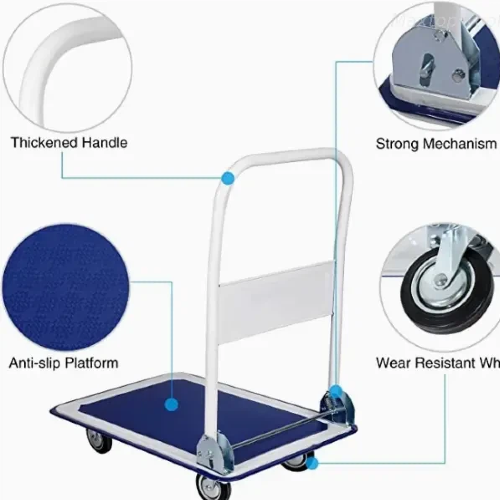
A Hand Truck, also known as a dolly or trolley, is a simple yet highly effective tool designed to assist in the transportation of heavy and bulky items. Typically constructed from a metal frame with wheels and a flat platform or base, hand trucks have been a staple in both commercial and personal settings for decades. Their primary purpose is to move heavy goods from one location to another with minimal effort, reducing strain on the user and allowing for faster and more efficient transport.
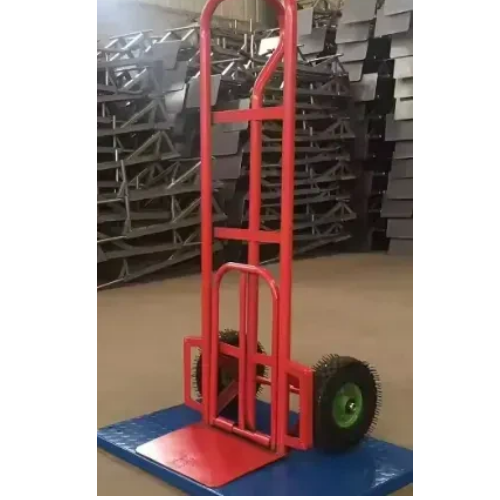
The hand truck's design includes a vertical frame that supports a horizontal platform, which rests against the load. The two wheels positioned at the base allow the user to tilt the truck back, lifting the load slightly off the ground, and then push or pull it to the desired location. Hand trucks come in various types to suit different tasks, and their use spans from warehouses to home environments.
Importance of Understanding How Hand Trucks Work
Understanding how a Hand Truck works is essential for maximizing its efficiency and ensuring that it is used correctly. Knowing the mechanics behind the hand truck allows users to operate the tool more effectively, leading to smoother transport, reduced risk of injury, and improved productivity. This knowledge also helps in choosing the right type of hand truck for specific needs, whether for light-duty tasks at home or heavy-duty tasks in industrial settings.
By the end of this article, you will have a comprehensive understanding of how hand trucks function, the technology behind their design, and the best practices for using them effectively.
2. The Basic Mechanics of a Hand Truck
Frame and Structure
The Hand Truck is designed with a simple but effective structure. Its frame is typically made from either steel or aluminum, both of which provide the necessary strength and durability to carry heavy loads. The frame usually includes a vertical upright component that supports the load and a horizontal base plate where the item is placed. The size of the base plate varies depending on the type of hand truck and the items it is designed to carry.
The frame’s structure ensures that the load remains balanced and stable while it is being transported. The strong, rigid frame is essential for safety, as it prevents the truck from tipping over during use. In addition to the frame, many hand trucks have a handle at the top, allowing the user to push or pull the load. This handle is often ergonomically designed to reduce hand strain and improve grip.
Wheels and Axles
The wheels of a Hand Truck play a crucial role in making transportation easier. Hand trucks generally come with two large wheels, but the type of wheels and their size can vary based on the model. The purpose of the wheels is to reduce friction and make the load easier to move across different surfaces.
Larger Wheels: Larger wheels tend to be better suited for rough, uneven surfaces as they provide better ground clearance and can handle obstacles more easily.
Smaller Wheels: Smaller wheels are typically used for smooth surfaces, offering faster movement and greater maneuverability.
Types of Wheels: Some hand trucks are equipped with solid rubber wheels, while others feature pneumatic (air-filled) tires, which offer a smoother ride over uneven terrain and absorb shocks better.
The axles, which connect the wheels to the frame, are designed to bear the weight of the load and provide stability while moving the hand truck. The quality of the axles and wheels is essential for ensuring the truck functions properly, especially under heavy loads.
The Tilt and Lift Mechanism
The tilt-and-lift mechanism is what differentiates a Hand Truck from other basic carts. This mechanism allows the user to easily lift heavy objects with minimal physical effort by leveraging the principles of physics. The process works by tilting the hand truck back so that the load is lifted off the ground and placed on the wheels.
When the user tilts the hand truck back, the base plate lifts the load, shifting most of the weight onto the wheels. This transfer of weight to the wheels makes it easier to push or pull the load, as the wheels bear the brunt of the weight rather than the user. The tilt reduces the strain on the user’s back and legs, making it much easier to transport heavy or bulky items with reduced risk of injury.
The act of tilting also uses leverage to make lifting easier. The further back you tilt the hand truck, the less force is needed to lift the object. Essentially, the hand truck is acting as a lever to amplify your strength, making it possible to lift and move heavier loads than would be possible with bare hands.
3. Leveraging the Power of the Hand Truck
The Role of Leverage in Moving Heavy Loads
One of the key benefits of a Hand Truck is its ability to leverage the principles of physics, specifically leverage and mechanical advantage, to make moving heavy objects easier. When you tilt the hand truck, the item being moved acts as the load on the lever, and the handle acts as the fulcrum. The further you tilt the truck, the more leverage you gain.
This leverage system significantly reduces the amount of force required to move a heavy load. For instance, a load that might weigh hundreds of pounds could be moved with just a fraction of that force when using the hand truck correctly.
In essence, the hand truck allows you to lift, carry, and move objects with far less energy than would be required if you were to manually lift the items. This leverage is a key reason why hand trucks are so popular for both personal and commercial use.
Weight Distribution
The Hand Truck works by distributing the weight of the load across the wheels, which makes it easier to move the item. When you tilt the truck, the weight of the object is shifted from the user’s body to the wheels. The wheels, in turn, reduce the friction between the load and the ground, making it easier to move the load with minimal effort.
This weight distribution is particularly important when handling large, heavy items. The more evenly the weight is distributed, the less chance there is of the hand truck tipping over, which helps ensure safety and stability during transport.
By using the wheels to bear the weight, the user can focus on maneuvering the hand truck, rather than lifting the load. This not only reduces the physical strain on the user but also makes moving heavy or cumbersome items faster and more efficient.
Ergonomic Design for Ease of Use
Ergonomics plays an essential role in the design of the Hand Truck. The handle is typically designed to be comfortable to grip, reducing the strain on the hands and wrists during use. Many hand trucks come with padded or rubberized handles, which provide better grip and comfort for the user, particularly when the hand truck is used for extended periods.
Additionally, the frame of the hand truck is designed to accommodate natural body movements. The upright position of the handle and the tilt angle make it easy to move the truck while maintaining a proper posture, which helps prevent back and shoulder pain. By aligning the load with the user’s body, the hand truck reduces the need for awkward bending or twisting motions that can lead to injuries.
4. Different Types of Hand Trucks and Their Specific Functions
Standard Hand Trucks
Standard Hand Trucks are the most common type and are designed for general-purpose use. These trucks typically have a two-wheel setup, with a simple frame and a flat base plate. The base plate is used to rest the item being moved, and the user tilts the hand truck to lift the load onto the wheels.
Type | Features | Best For |
Standard Hand Truck | Simple design, two wheels | Light to medium-duty tasks, small to medium loads |
These hand trucks are ideal for moving small to medium-sized items, such as boxes, appliances, or furniture. They are versatile, affordable, and easy to use in most environments.
Heavy-Duty Hand Trucks
Heavy-Duty Hand Trucks are designed to carry larger, heavier loads than standard models. These trucks often have reinforced frames and larger wheels to handle more weight. Heavy-duty hand trucks are typically used in industrial and commercial environments, where the movement of large equipment or machinery is a common task.
Type | Features | Best For |
Heavy-Duty Hand Truck | Reinforced frame, large wheels | Industrial, moving large or heavy items |
These hand trucks can often support loads exceeding 1,000 lbs, making them ideal for tasks that require moving equipment, machinery, or pallets.
Stair-Climbing Hand Trucks
Stair-Climbing Hand Trucks are equipped with specialized wheels designed to help users transport items up and down stairs with ease. The wheels on these hand trucks are typically arranged in a unique pattern to allow the user to pull or push the truck upward or downward as it ascends or descends steps.
Type | Features | Best For |
Stair-Climbing Hand Truck | Specialized wheels for stairs, sturdy frame | Moving heavy items up or down stairs |
These trucks are ideal for use in multi-story buildings or situations where items need to be transported across floors.
Foldable Hand Trucks
Foldable Hand Trucks offer a more compact and portable solution. These hand trucks feature a collapsible frame, making them easy to store and carry. They are typically lighter and are used for lighter loads or occasional tasks.
Type | Features | Best For |
Foldable Hand Truck | Collapsible design, lightweight frame | Home use, light to medium tasks |
Foldable hand trucks are ideal for personal use, such as moving boxes during a move or carrying groceries.
5. Practical Application: How to Use a Hand Truck Efficiently
Loading and Unloading
When using a Hand Truck, it’s important to load it correctly to ensure safety and efficiency. The load should be placed in the center of the base plate, ensuring that the weight is evenly distributed. This prevents the hand truck from tipping over during transport. Secure the load, if necessary, to avoid it shifting during movement.
Navigating with the Hand Truck
Maneuvering a hand truck requires some practice. To turn, you should tilt the truck back and gently rotate the handle to the desired direction. Keep in mind that tight spaces may require you to tilt the truck at a higher angle to turn effectively.
Safety Considerations
While using a hand truck reduces physical strain, it is still important to use it safely. Always maintain good posture, keep the load balanced, and ensure that the wheels are in good condition. Never exceed the weight limit specified by the manufacturer, as this can cause the truck to tip over or damage the wheels and frame.
6. Conclusion
Understanding how a Hand Truck works is crucial for maximizing its benefits and ensuring you use it efficiently. Whether you're moving heavy machinery in a warehouse or simply transporting boxes at home, selecting the right hand truck tailored to your needs makes the task easier, faster, and safer.
With a good grasp of its mechanics, types, and best practices, you can confidently choose a hand truck that will not only save you time and energy but also prevent unnecessary physical strain.
At Qingdao Maxtop Tools Co., Ltd., we specialize in providing high-quality hand trucks that cater to various needs—whether for light or heavy-duty tasks. Our expert team is ready to help you find the perfect hand truck for your specific requirements. Feel free to contact us for more information, and we’ll be happy to assist you in selecting the ideal solution for all your moving and transport needs.
7. FAQ
1. How does the tilt of a hand truck help move heavy objects?
Tilting the hand truck shifts most of the load's weight onto the wheels, allowing you to use leverage to move the item with much less effort.
2. What is the role of the wheels in a hand truck?
Wheels reduce friction and allow the load to roll smoothly across various surfaces, making it easier to transport heavy or bulky items with minimal force.
3. How do I choose the right hand truck for my needs?
Select a hand truck based on the type of load you are moving, the environment (smooth or uneven surfaces), and the weight capacity you require. Consider also the handle design and wheels for comfort and maneuverability.
4. Can a hand truck be used on uneven surfaces?
Yes, hand trucks with pneumatic tires are especially suitable for uneven surfaces as they provide better shock absorption and easier movement over rough terrain.
5. What makes stair-climbing hand trucks different from regular models?
Stair-climbing hand trucks feature specialized wheels that allow the truck to move items up and down stairs with minimal effort, providing a more efficient and safe way to navigate multiple floors.
 注: 建议图片大小150px*50px


