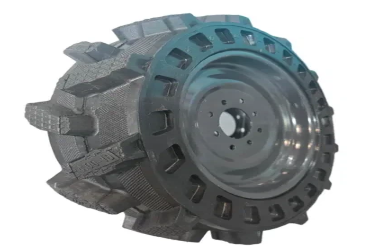
Maintaining proper tire pressure in your wheelbarrow is essential for ensuring optimal performance and safety. Just like any other vehicle, a wheelbarrow’s wheels require the right amount of air pressure to function efficiently. Under-inflation can lead to poor maneuverability, increased friction, and faster tire wear, making it harder to push the wheelbarrow, especially over rough terrain. On the other hand, over-inflation can result in a rougher ride, making the wheelbarrow unstable and more prone to punctures or damage. The key to enhancing performance, reducing wear, and ensuring a smooth ride is regular tire maintenance. By checking and maintaining the correct tire pressure, you not only extend the lifespan of the wheel but also ensure that your wheelbarrow operates at its best, whether you're tackling gardening tasks, construction jobs, or landscaping projects.
Tools You’ll Need
To properly inflate your wheelbarrow tire and ensure it operates at peak performance, you’ll need a few essential tools. Here’s a breakdown of the tools required for the job:
1. Tire Pressure Gauge
A tire pressure gauge is vital for checking the air pressure in your wheelbarrow tire. It helps ensure that you’re inflating the tire to the recommended PSI (pounds per square inch), which is usually indicated on the tire’s sidewall. Accurate pressure is crucial for optimal performance and safety. There are different types of gauges, including digital, which provide a quick and easy reading, and manual versions that are simple and affordable. Using a gauge regularly will help maintain the correct tire pressure and prevent issues like under-inflation or over-inflation.
2. Air Pump (Manual or Electric)
To inflate the tire, you’ll need an air pump. Depending on your preference and frequency of use, you can choose between a manual air pump or an electric air pump. Manual pumps are usually more affordable and work well for occasional inflation tasks, but they require more physical effort. For quicker, more convenient inflation, especially if you need to inflate multiple tires, an electric air pump or compressor is a better option. Ensure that the pump is compatible with your tire's valve type, which is typically a Schrader valve (the same valve used in car tires).
3. Valve Stem Cap
A valve stem cap is a small but essential tool for maintaining tire pressure. After inflating your tire, always screw the valve stem cap back on. This tiny cap protects the valve from dirt, moisture, and debris, which can cause blockages or damage, leading to air loss. It also helps to prevent air from escaping, ensuring that the tire stays properly inflated over time. It’s an easy-to-overlook part, but it plays a critical role in keeping your wheelbarrow tire in top condition.
Step-by-Step Guide to Inflating a Wheelbarrow Tire
Properly inflating your wheelbarrow tire is essential for optimal performance, safety, and longevity. Here’s a simple step-by-step guide to ensure your tire is correctly inflated:
Step 1: Check the Recommended Tire Pressure
Before you begin, check the recommended tire pressure for your wheelbarrow. This information is typically found on the sidewall of the tire. Look for the PSI (pounds per square inch) range, which indicates the optimal pressure for the tire. Ensuring that your tire is inflated to the correct PSI helps improve maneuverability and prevents damage to the wheel.
Step 2: Attach the Air Pump Nozzle to the Valve Stem
Locate the valve stem on your wheelbarrow tire, usually a small rubber or metal stem sticking out from the tire. Remove the valve stem cap if it’s in place, and then attach the nozzle of your air pump to the valve stem. Ensure that the nozzle is securely fitted so that no air escapes during inflation. If you're using an electric pump, ensure that it’s properly connected to the valve stem.
Step 3: Inflate the Tire Gradually While Checking the Pressure Using the Gauge
Inflate the tire gradually by turning on your air pump. As the air fills the tire, keep a close eye on the tire pressure gauge to monitor the PSI. It's important to inflate the tire slowly and check the pressure frequently to avoid over-inflating. This ensures the tire reaches the correct pressure without exceeding the recommended limit. If you don’t have a built-in gauge on your air pump, use a separate tire pressure gauge to check the PSI periodically.
Step 4: Remove the Nozzle and Check the Tire for Leaks
Once you’ve reached the correct pressure, remove the air pump nozzle from the valve stem. Replace the valve stem cap to keep dirt and moisture out of the valve. Check the tire for any signs of leaks by feeling around the valve or listening for any escaping air. If the tire is properly inflated and the valve is sealed, you’re ready to go!
Common Mistakes to Avoid
When inflating your wheelbarrow tire, it's crucial to avoid certain mistakes that can negatively impact performance, safety, and tire lifespan. Here are the most common pitfalls to watch out for:
1.Over-Inflation: Risks of Causing Tire Damage or a Rough Ride
Over-inflating your wheelbarrow tire can lead to several issues. First, it increases the risk of tire damage, as the excessive pressure can cause the tire to become too stiff and more susceptible to cracking or punctures. Secondly, over-inflation results in a rougher ride, especially on uneven terrain, because the tire is too rigid to absorb shocks effectively. The added pressure can also cause the tire to wear out faster, reducing its overall lifespan. Always ensure you are inflating your tire to the recommended PSI, and avoid exceeding the specified limit.
2.Under-Inflation: Causes Reduced Maneuverability and Premature Tire Wear
Under-inflating your wheelbarrow tire is just as harmful. When the tire pressure is too low, the tire becomes floppy and less able to absorb shock, leading to reduced maneuverability. This makes it harder to push the wheelbarrow over rough surfaces, causing you to exert more effort. Additionally, under-inflated tires wear out prematurely, as they are not able to handle the load properly, leading to faster degradation of the tread. Low tire pressure can also increase the risk of blowouts when subjected to heavy weight or rough terrain. Regularly check and adjust the tire pressure to keep it within the recommended range for best performance.
Maintaining Tire Pressure
Proper tire pressure is essential for the safe and efficient operation of your wheelbarrow. Regular checks and maintenance ensure that your tire performs optimally, avoids unnecessary wear, and lasts longer. Here’s how to keep your tire in the best possible condition:
1.How Often to Check
It’s a good practice to check your wheelbarrow tire pressure at least once a month, especially if you use it frequently or for heavy-duty tasks. Tires can naturally lose air over time due to temperature fluctuations, wear, or small leaks, so consistent monitoring is key. If you’re using the wheelbarrow in harsh conditions (such as on rough terrain), it’s wise to check the pressure more often—every couple of weeks or before each major task.
2.Maintenance Tips
Use a Reliable Tire Pressure Gauge: Always use a tire pressure gauge to check your tire’s PSI (pounds per square inch). Make sure to check it when the tire is cool, as pressure can fluctuate when the tire is hot from use.
Inflate as Needed: If the pressure is low, add air gradually using an air pump or compressor. Avoid over-inflating, as that can damage the tire and cause an uncomfortable ride.
Inspect for Leaks: After checking the pressure, listen for any signs of a slow leak. If the tire seems to lose air quickly, inspect the valve stem or the tire for punctures or damage that may require repair.
Check for Tire Wear: While checking the tire pressure, also inspect the tread for signs of wear. If the tread is thinning or cracked, it may be time to replace the tire to ensure safe operation.
Maintain Valve Stem Integrity: Keep the valve stem clean and free of debris, and always replace the valve cap to prevent dirt and moisture from entering the valve, which can cause leaks over time.
FAQ (Frequently Asked Questions)
1. How do I know if my wheelbarrow tire is properly inflated?
Use a tire pressure gauge to check the PSI indicated on the tire’s sidewall. Properly inflated tires will feel firm but not overly hard, ensuring smooth operation and longer lifespan.
2. Can I inflate a wheelbarrow tire with a car tire pump?
Yes, a car tire pump can inflate a wheelbarrow tire if it has a Schrader valve (common in both car and wheelbarrow tires). Just attach the nozzle and check the pressure.
3. What should I do if my wheelbarrow tire keeps losing air?
Inspect the tire for punctures or cracks. If the valve is leaking, tighten or replace the valve core. A professional repair may be needed if the damage is significant.
4. How often should I check the air pressure in my wheelbarrow tires?
Check the air pressure once a month or more often with heavy use. Regular checks ensure optimal performance and prevent issues like under-inflation or over-inflation.
Conclusion
Maintaining proper tire pressure is crucial for the performance, safety, and longevity of your wheelbarrow. Regularly checking the pressure with a tire gauge, inflating with the right tools, and avoiding common mistakes like over or under-inflation will ensure smooth operation, better maneuverability, and reduced tire wear. By taking a few simple steps to properly care for your wheelbarrow tires, you can keep your equipment running efficiently, whether for light gardening tasks or heavy-duty projects.
 注: 建议图片大小150px*50px


