Introduction
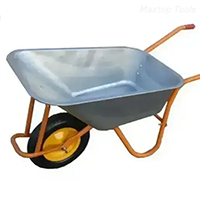
Maintaining your outdoor tools is the hallmark of a professional gardener or contractor. A wheelbarrow is often the unsung hero of the yard, hauling everything from wet concrete to acidic mulch. However, many users neglect the simple task of cleaning it, leading to premature rust, stuck axles, and degraded tires. If you own a Heavy duty steel wheelbarrow, leaving wet debris inside can eat through the protective coating in a single season.
In this comprehensive guide, we move beyond just "spraying it with a hose." We provide expert insights into deep-cleaning techniques that preserve the structural integrity of your equipment. Whether you manage a Dual wheel garden wheelbarrow for backyard chores or a Large capacity wheelbarrow for professional Landscaping, these steps will ensure your tool remains reliable for decades. Let's dive into the professional way to scrub, dry, and protect your most essential hauler.
Preparing the Work Area and Necessary Supplies
Before you begin, you must set up a station that allows for proper drainage. Cleaning a garden wheelbarrow creates a significant amount of muddy runoff. It is best to perform this task on a gravel driveway or a sloped lawn area where the water won't pool. If you are cleaning a Heavyweight capacity wheelbarrow used for masonry, you may need to catch the solids to prevent them from clogging your home's drainage systems.
Essential Cleaning Kit
Stiff-bristled brush: Necessary for dislodging dried mud and cement.
Pressure washer or high-pressure nozzle: For deep-seated grime in the tray corners.
Biodegradable degreaser: Important if you have hauled oily mechanical parts or specialized fertilizers.
Microfiber cloths: To ensure the Heavy duty steel surfaces are bone-dry.
Wire brush: For addressing small spots of surface oxidation.
Safety First
Always wear gloves. A well-used Landscaping wheelbarrow may have jagged metal edges or hidden thorns from previous debris. If you are using a pressure washer, eye protection is non-negotiable to guard against flying pebbles or dried mortar chips. Setting up your supplies beforehand ensures the process is quick and efficient.
The Initial Rinse: Removing Bulk Debris
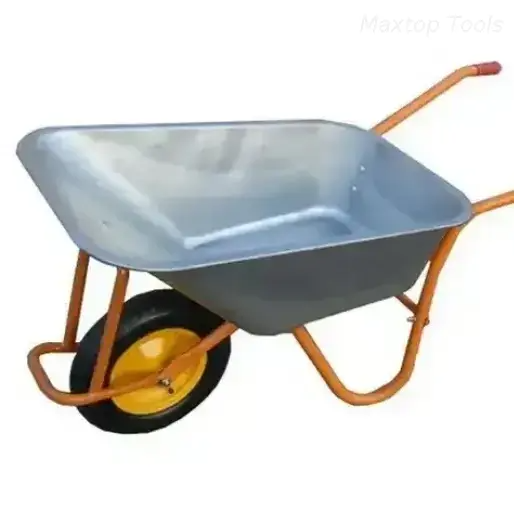
The first stage of cleaning any wheelbarrow is the high-volume rinse. You want to remove as much loose material as possible before you start scrubbing. This prevents you from just moving mud around in circles. For a Large capacity wheelbarrow, pay close attention to the front "nose" where dirt tends to accumulate during tipping.
The Power of Water Pressure
If you have a Dual wheel garden wheelbarrow, flip it on its side first. Use a steady stream of water to clear the undercarriage and the wheels. Soil trapped in the rim of a wheelbarrow tire can cause the metal wheel to rust from the inside out. Once the bottom is clear, flip it upright and flood the tray. Let the water sit for five minutes if there is "caked-on" clay or dried organic matter.
Identifying Problem Areas
As you rinse, look for areas where the paint has chipped. On a Heavy duty steel wheelbarrow, these chips are the birthplaces of rust. By removing the dirt, you expose the true condition of the metal. This "inspection phase" is just as important as the cleaning itself, as it tells you if the tool needs more than just soap—it might need a touch-up of protective spray.
Deep Scrubbing: Eliminating Stubborn Residue
Once the loose dirt is gone, it is time for manual labor. The tray of a Landscaping wheelbarrow often develops a "film" of fine dust and minerals. This film holds moisture against the tray, accelerating corrosion.
Professional Scrubbing Techniques
Selecting the Right Agitator
For a plastic or poly garden wheelbarrow, a nylon brush is sufficient. However, for Heavy duty steel, you might need something more aggressive. Use a long-handled brush to reach the bottom without straining your back. Scrub in circular motions, focusing on the bolt heads that secure the tray to the handles. These bolts are notorious for trapping moisture and rotting the wood or rusting the steel.
Dealing with Specialized Stains
If your Large capacity wheelbarrow has been used for concrete, you may find hardened "splatters." Do not use a hammer to knock these off, as you might dent the Heavy duty steel. Instead, use a plastic putty knife or a specialized "concrete dissolver" spray. For organic stains from mulch or compost, a simple mixture of white vinegar and water usually breaks down the acidity and eliminates odors.
| Material Type | Cleaning Tool | Chemical Agent | Risk Factor |
| Heavy duty steel | Steel wool / Wire brush | Mild Degreaser | Rusting |
| Polypropylene | Nylon Brush | Dish Soap | Cracking/UV Damage |
| Wood Handles | Soft Cloth | Linseed Oil (after wash) | Rotting |
| Rubber Tires | Tire Brush | UV Protectant | Dry Rot |
Undercarriage and Wheel Maintenance
A wheelbarrow is only as good as its ability to roll. Cleaning the wheels and the axle is the most neglected part of the process, yet it is vital for Heavyweight capacity performance. A dirty axle increases friction, making a 300-pound load feel like 500 pounds.
Cleaning the Axle and Bearings
For a Dual wheel garden wheelbarrow, you have twice the work but twice the stability. Spray the hose directly into the space between the wheel and the frame. If hair, garden twine, or tall grass has wrapped around the axle, use a pair of snips to remove it. This debris acts like sandpaper against the bearings. After cleaning, ensure you dry this area thoroughly to prevent the axle from seizing.
Tire Sidewall Care
The tires on a Landscaping wheelbarrow are often the first part to fail due to "dry rot." Mud caked on the sidewalls pulls moisture out of the rubber. Scrub the tires with a stiff brush and soapy water until the rubber looks black again. While you are there, check the tire pressure. A properly inflated tire makes the wheelbarrow easier to balance, especially when hauling Heavyweight capacity loads across uneven terrain.
Drying and Moisture Management
Rust is the primary enemy of the Heavy duty steel wheelbarrow. If you wash your tool and then leave it upright in the sun, water will pool in the bottom corners. This creates a "micro-swamp" that eats through the coating.
The Proper Drying Position
After washing, never leave the wheelbarrow upright. Flip it upside down over a couple of sawhorses or lean it against a fence at a steep angle. This allows gravity to pull every drop of water out of the tray. For those using a Large capacity wheelbarrow professionally, wiping the interior down with a dry towel is the best way to ensure no mineral deposits are left behind.
Protecting the Handles
If your garden wheelbarrow has wooden handles, they must be dried immediately. Wet wood swells and eventually cracks or splinters. Once the wood is dry, it is a great time to apply a thin coat of linseed oil. This creates a waterproof barrier that keeps the handles Durable and prevents them from absorbing the water during your next cleaning session.
Post-Clean Lubrication and Coating
An expert clean is always followed by a protection phase. This is what separates a Heavy duty steel tool that lasts 20 years from one that lasts five. Once the wheelbarrow is clean and dry, you need to "seal" the work you have done.
Lubricating the Pivot Points
Apply a shot of lithium grease or WD-40 to the axle. For a Dual wheel garden wheelbarrow, ensure both wheels spin freely. If the wheels squeak, it means dirt is still trapped in the housing or the lubrication has washed away. A well-lubricated wheelbarrow is much safer to use for Landscaping because it requires less force to start moving.
Preventing Material Adhesion
Here is a professional tip: after cleaning and drying the tray of your Large capacity wheelbarrow, apply a light coating of silicone spray or even a thin layer of car wax. This creates a "non-stick" surface. The next time you haul wet soil or mulch, it will slide right out, making your next cleaning job significantly easier. This is especially effective for Heavyweight capacity tasks where material weight makes dumping difficult.
Storage Solutions to Maintain Cleanliness
You have spent the time to scrub and dry your wheelbarrow; do not ruin it by storing it improperly. Leaving a garden wheelbarrow out in the rain is essentially a "reset button" for rust and grime.
Indoor vs. Outdoor Storage
Ideally, store your Heavy duty steel wheelbarrow inside a shed or garage. If you must keep it outside due to its Large capacity size, store it vertically. There are specialized wall hooks designed to hang a wheelbarrow by its front rim. This keeps the tray empty of rainwater and saves a massive amount of floor space.
UV Protection for Poly Trays
If you own a plastic Dual wheel garden wheelbarrow, storage is about sun protection. Constant UV exposure makes plastic brittle, leading to cracks when you carry Heavyweight capacity loads. Keep it in the shade. If you must store it outside, a simple tarp can extend the life of the poly tray by several years, ensuring it stays Flexible and strong.
Troubleshooting Common Cleaning Problems
Sometimes, a simple wash isn't enough. If your Landscaping wheelbarrow has been neglected for years, you might encounter stubborn issues that require a more intensive approach.
Dealing with Rust and Corrosion
Removing Surface Oxidation
If you see orange spots on your Heavy duty steel wheelbarrow, act fast. Use a wire brush or high-grit sandpaper to sand the area down to bare metal. Wipe it with mineral spirits to remove the dust, and then apply a rust-inhibiting primer. This stops the "cancer" of rust from spreading through the entire Large capacity tray.
Addressing Stubborn Concrete and Mortar
For those in construction, a Heavyweight capacity wheelbarrow often ends up with a layer of "concrete skin." If a pressure washer fails, you can use a hammer and a wide chisel—but you must be extremely careful. Hold the chisel at a very low angle (almost flat against the metal) and tap gently. The goal is to pop the concrete off the Heavy duty steel without gouging the tray. Once removed, sand the area to smooth out any scratches.
Conclusion
Cleaning your wheelbarrow is the best way to protect your investment. Whether it is a Heavy duty steel model for industrial work or a Dual wheel garden wheelbarrow for home use, the process remains the same: rinse, scrub, dry, and protect. By following these professional steps, you ensure that your tool can handle the Heavyweight capacity demands of any Landscaping project without failing you in the middle of a job. Remember, a clean tool is a safe tool.
FAQ
Q1: How often should I clean my wheelbarrow?
You should give it a quick rinse after every use. However, a deep clean with soap and a brush should be done at the end of every season or after hauling "reactive" materials like wet concrete, fertilizers, or acidic mulch.
Q2: Can I use a pressure washer on a poly wheelbarrow?
Yes, but be careful with the pressure setting. High-powered industrial washers can actually "etch" the plastic if held too close, creating a rough surface that traps more dirt later. Keep the nozzle at least 12 inches away.
Q3: My wheelbarrow tray is already rusted. Is it too late to clean it?
It is never too late to stop the progress. Clean the rust with a wire brush, treat it with a rust converter, and paint it. This will add years of life to your Heavy duty steel equipment.
Our Manufacturing Strength and Commitment
I have seen firsthand how quality tools change the way people work. At our manufacturing facility, we focus on the intersection of durability and ergonomic design. We take immense pride in our factory's ability to produce high-performance Heavy duty steel wheelbarrows that stand up to the most grueling professional environments. Our production lines utilize advanced welding techniques and premium coating processes to ensure that every Large capacity wheelbarrow leaving our floor is resistant to the very rust and wear we have discussed in this guide.
Our strength lies in our specialized focus on B2B and industrial needs. We understand that for a Landscaping professional, a tool is an investment. That is why we engineer our Dual wheel garden wheelbarrows and Heavyweight capacity haulers with reinforced frames and high-grade components. We are not just making tools; we are building long-term solutions for our global partners. When you choose our products, you are backed by a factory dedicated to precision, strength, and the belief that a well-made tool should be the last one you ever need to buy.
 注: 建议图片大小150px*50px


