1. Introduction to Hand Truck
Understanding the Purpose of a Hand Truck
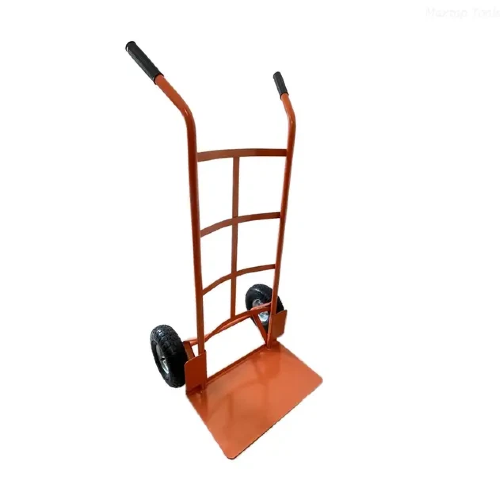
A hand truck is a versatile and essential tool used primarily in material handling and transportation. It is designed to carry heavy loads over short distances, reducing the physical strain of lifting and carrying objects. The hand truck's design makes it a highly efficient and easy-to-use tool, often found in warehouses, retail environments, moving companies, and construction sites.
The hand truck typically consists of a metal frame, two or more wheels, and a flat platform or vertical frame to secure and support the load. While the hand truck may seem like a simple device, its ability to simplify heavy lifting tasks makes it indispensable in various industries.
Importance of Proper Operation
Operating a hand truck properly is essential for ensuring both safety and efficiency. Improper handling can lead to physical injuries, damage to the load, or unnecessary wear and tear on the hand truck itself. Understanding the correct techniques and best practices for using a hand truck will help you maximize its utility, extend its lifespan, and keep yourself and others safe while using it.
2. Key Components of a Hand Truck
Before delving into the operational steps, it's important to understand the main components of a hand truck. Each part plays a crucial role in ensuring the hand truck functions efficiently and effectively. Here’s a breakdown of the essential components of a hand truck:
Component | Description |
Frame | The frame is typically made of steel or aluminum and is the backbone of the hand truck. It is designed to support heavy loads and withstand daily wear and tear. |
Wheels | Hand trucks usually have two or four wheels, depending on the design. These wheels are often made from rubber or pneumatic materials for smooth movement over various surfaces. |
Platform | The platform is the area where the load is placed. It is generally flat and designed to provide maximum stability. Some hand trucks have a vertical frame for transporting larger or bulkier items. |
Handles | The handles are used to maneuver the hand truck. They are typically located at the top of the frame, and some models feature ergonomic handles for added comfort during operation. |
Understanding these components is essential to ensuring the correct use and maintenance of the hand truck.
3. Preparing the Hand Truck for Use
Inspecting the Hand Truck
Before operating the hand truck, it’s crucial to perform a quick inspection to ensure that it’s in good working condition. Regular maintenance checks can prevent potential accidents or malfunctions during operation.
Key points to check include:
Wheels: Make sure the wheels are free from debris and roll smoothly. Inspect for any cracks, bulges, or flat spots, particularly if the hand truck is used on rough surfaces.
Frame: Check the frame for any signs of rust, cracks, or bent areas. If the frame is damaged, it may compromise the hand truck’s ability to carry loads safely.
Handles: Ensure that the handles are secure and free from damage. Loose handles can make the hand truck harder to control and increase the risk of tipping.
Loading the Hand Truck
When preparing to load the hand truck, the weight of the items being transported must be considered. The goal is to load the hand truck so that the weight is balanced and secure.
Proper loading techniques include:
Place the heaviest items at the bottom of the platform to lower the center of gravity.
Ensure that the load is evenly distributed to prevent the hand truck from tipping.
When loading taller items, ensure that they are securely positioned and will not fall off during transport.
Adjusting the Handles
For optimal comfort and control, it’s essential to adjust the handles to the correct height. The handles should be at a height that allows you to stand upright while pushing or pulling the hand truck. This will help prevent unnecessary strain on your back and arms. Many hand trucks feature adjustable handles, which provide more flexibility depending on the user’s height.
4. How to Lift and Tilt the Hand Truck
Proper Lifting Techniques
Lifting the hand truck correctly is essential for avoiding strain on your back and ensuring safety during operation. Improper lifting can lead to injuries, particularly to the back and shoulders.
Here’s how to lift a hand truck properly:
Bend your knees: Use your legs to lift the hand truck rather than your back. This helps distribute the weight more evenly and reduces the strain on your lower back.
Keep the hand truck close to your body: This reduces the leverage and makes it easier to lift.
Use a firm grip: Ensure that you have a secure hold on the handles before lifting the hand truck.
Tilting the Hand Truck
Once the hand truck is loaded, you will need to tilt it back to move the load. This is achieved by gently tilting the hand truck backward, which helps shift the weight onto the wheels.
To tilt the hand truck correctly:
Stand behind the hand truck and slowly tilt it backward by pulling the handles toward your body.
Ensure that the load remains stable and does not shift as you tilt the hand truck.
Avoid jerking the hand truck, as this can cause the load to become unbalanced and may lead to accidents.
5. Moving the Hand Truck
Pushing vs. Pulling
One of the most important decisions when operating a hand truck is whether to push or pull the device. In most cases, pushing the hand truck is the safer and more efficient method. Pushing gives you better control and reduces the strain on your back.
However, there may be situations where pulling the hand truck is necessary:
If the load is too high or the path is narrow, pulling may allow for better maneuverability.
When traveling up or down stairs, pulling may provide more stability and control.
Maneuvering Through Tight Spaces
Hand trucks are designed to be relatively compact, but navigating tight spaces requires careful handling. Here are some tips for maneuvering the hand truck in confined areas:
Slow and steady: Move at a slow pace to ensure that you can make precise adjustments to avoid hitting obstacles.
Turn gradually: Avoid sharp turns, which could cause the load to shift. Instead, make gradual turns to maintain balance.
Use your body: When maneuvering in tight spaces, use your body to guide the hand truck and keep it aligned with the path.
6. Unloading the Hand Truck
Safe Unloading Practices
When unloading the hand truck, it’s essential to follow safety guidelines to ensure that neither the load nor the user is at risk. Here’s how to unload safely:
Lower the load gently: Instead of letting the load fall, gently lower it to the ground to avoid damaging both the hand truck and the items being transported.
Use the proper lifting technique: If you need to lift items off the platform, use your legs to lift rather than your back.
Returning the Hand Truck to an Upright Position
After unloading the items, return the hand truck to its upright position. This will prevent it from tipping over or getting damaged when not in use. Ensure that the hand truck is placed in a safe, stable position away from walkways or high-traffic areas.
7. Conclusion
To safely operate a hand truck, start by thoroughly inspecting it before use to ensure it’s in good condition. Properly load the hand truck, ensuring the weight is evenly distributed and secure. When lifting, always use your legs to avoid injury, and tilt the hand truck carefully to shift the load onto the wheels. For optimal control, push the hand truck rather than pulling it, and move it efficiently, especially through tight spaces. When unloading, gently lower the load to avoid damage.
While a hand truck is an essential tool for material handling, mastering its operation requires practice and attention to detail. By following these steps and maintaining the proper technique, you can significantly improve your efficiency and safety during use.
At Qingdao Maxtop Tools Co., Ltd., we specialize in high-quality hand trucks designed for various transport needs. Whether you're in need of a durable two-wheeled hand truck or a more robust model for heavy-duty tasks, we offer solutions tailored to your specific requirements. Feel free to reach out to us for more information or to explore how our products can enhance your material handling processes.
8. FAQ
1. What is the proper way to load a hand truck?
The proper way to load a hand truck is by ensuring that the heaviest items are placed at the bottom of the platform, with the load evenly distributed. This helps prevent tipping and provides better stability during transport.
2. How do I know if my hand truck is in good condition?
To check if your hand truck is in good condition, inspect the wheels for damage, ensure the frame is free from cracks, and verify that the handles are secure. A well-maintained hand truck ensures safe and efficient operation.
3. Should I push or pull a hand truck?
It is recommended to push the hand truck when possible. Pushing provides better control and reduces the risk of back strain. Pulling should be reserved for situations where space is limited or when navigating stairs.
4. How do I maneuver a hand truck in tight spaces?
To maneuver a hand truck in tight spaces, move slowly, turn gradually, and use your body to guide the device. This ensures better control and prevents damage to the load or surroundings.
5. Is it safe to use a hand truck on uneven surfaces?
While hand trucks are designed to be used on various surfaces, rough or uneven terrain can make it more difficult to maneuver. It's best to use a hand truck with pneumatic wheels or larger wheels for better stability on uneven surfaces.
 注: 建议图片大小150px*50px


