A pile of mulch beside a flower bed or a stack of bricks near a wall quickly shows why a wheelbarrow matters. Instead of carrying everything by hand, this simple tool helps move more in one trip with better balance and less strain. For Maxtop, a wheelbarrow is not just a basic cart for occasional use. It is a practical product for gardening, construction, farm work, and general material handling, and understanding what it is makes it easier to choose the right model for the job.
What does a wheelbarrow do
The basic design in simple words
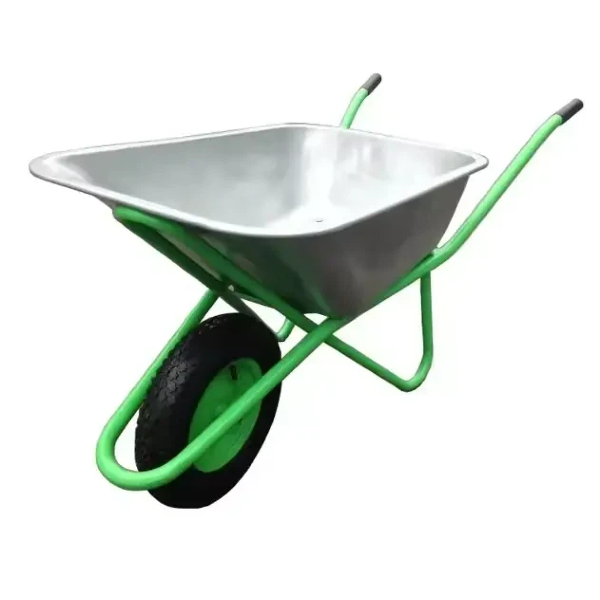
A wheelbarrow is a hand-pushed tool built to carry loose, heavy, or bulky material over short distances. Its structure is straightforward, but each part has a purpose. The tray holds the load, the frame supports it, the handles give lifting control, and the support legs keep it stable when parked. The front wheel carries much of the weight once the handles are lifted.
That is why a wheelbarrow feels easier to use than carrying materials by hand. The design shifts much of the load toward the wheel, so the user spends less energy on lifting and more on guiding. This makes common work such as moving soil, sand, gravel, leaves, compost, or tools faster and more manageable.
Why this tool matters in daily work
The value of a wheelbarrow becomes obvious when one job turns into many trips. A garden may need compost, a path may need gravel, or a site may need bricks moved from one area to another. Without the right tool, that work takes longer and creates more physical strain.
A well-made wheelbarrow helps reduce repeated lifting, improves control during transport, and speeds up loading and unloading. It also helps keep the work area more organized because material can be gathered and moved in a cleaner, steadier way. For users who work often with loose or heavy materials, this tool saves time every day.
Where a wheelbarrow helps most
Garden work and yard cleanup
For many users, the wheelbarrow is first associated with the garden. That makes sense because yard work often involves loose material that needs to be moved repeatedly over short distances. Soil, mulch, leaves, weeds, compost, branches, and potted plants all fit naturally into this kind of tool.
In this setting, ease of handling is important. A lighter model can be more comfortable for daily use, especially when the job involves moderate loads rather than very dense material. Plastic tray wheelbarrows are often a practical choice here because they are lighter to push, easier to clean, and convenient for regular garden maintenance.
Construction and repair work
Construction tasks place different demands on a wheelbarrow. Materials such as gravel, sand, bricks, cement bags, broken concrete, and site debris are heavier and often rougher on the tray surface. In these conditions, strength matters more than light weight.
That is where steel tray models stand out. They are better suited to dense, abrasive material and repeated heavy use. A stronger tray and frame help the user feel more secure under load, while a dependable wheel helps keep movement steady on rough ground. For construction and repair work, durability is often the feature that makes the biggest difference over time.
Farm, warehouse, and general transport work
A wheelbarrow is also useful beyond gardens and construction sites. On farms, it can move feed bags, bedding, produce, and tools. In warehouses or workshops, it can help with spare parts, packaged items, and cleanup waste. Around private property, it works well for stones, firewood, and renovation debris.
Its strength in these settings is flexibility. The same product can handle different materials on different days without making the work feel complicated. That is one reason it remains such a practical moving tool across many industries.
Job type | Best tray style | Best wheel setup | Why it works well |
Garden cleanup | Plastic tray | Single or double wheel | Light handling and easy cleaning |
Soil and mulch moving | Plastic or steel | Single wheel | Easy tipping and turning |
Gravel and bricks | Steel tray | Strong wheelbarrow wheel | Better support for dense loads |
Uneven ground work | Steel or reinforced tray | Double wheel | More balance and steadier control |
What types of wheelbarrow are common
Steel tray models
Steel tray wheelbarrows are widely used for harder work because they handle weight and impact better. When the material is dense or abrasive, the tray needs to stay firm under pressure and resist wear from repeated loading and unloading.
This type of model is often the better fit for construction, repair, and heavy-duty transport tasks. It may not be the lightest option, but for users who value durability and long service life, that tradeoff makes sense. Maxtop offers heavy-duty steel designs for work that demands strength and reliability.
Plastic tray models
Plastic tray wheelbarrows are often chosen for gardening and lighter daily tasks. Their main advantage is easier handling. A lighter empty weight makes them simpler to push, lift, and turn, especially when the work involves smaller but frequent loads.
They are also easier to clean after moving wet soil, leaves, or compost. For users who want a practical product for home gardening and routine outdoor care, this style often feels more comfortable in everyday use.
Single-wheel and double-wheel styles
Wheel setup changes how the tool feels in motion. A single-wheel design is usually easier to turn and works well in tighter spaces. It is a common choice for users who need better maneuverability along narrow paths or around corners.
A double-wheel design focuses more on balance. With two front wheels, the load often feels steadier, which can be helpful on uneven ground or for users who prefer more support during transport. Maxtop’s double-wheeled options are designed for this kind of stable handling.
What role does the wheelbarrow wheel play
Smooth movement on rough ground
The wheel is one of the most important parts of the product because it affects how the load feels from start to finish. On grass, gravel, soil, or mixed surfaces, a good wheel helps the user keep control and move with less resistance.
When the wheel performs well, the load feels smoother and easier to guide. That matters even more when the tray is carrying dense material. A strong frame is important, but without the right wheel, the whole tool becomes harder to use.
Stability, maintenance, and replacement
The wheel also affects long-term performance. If it wears out too early, rolls unevenly, or becomes difficult to control, the entire wheelbarrow feels less safe and less efficient. That is why the wheel should never be treated as a minor detail.
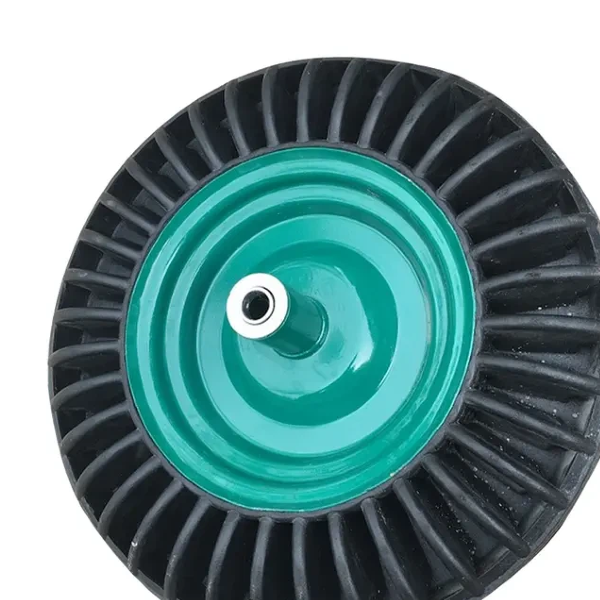
Maxtop supplies not only complete wheelbarrows but also wheelbarrow wheel products such as polyurethane wheels, pneumatic tires with inner tubes, solid PU wheels, and solid rubber tyres. This gives users more choice when replacing worn parts or matching the wheel to a specific working surface.
How to match the tool to the work
Light daily work
For light and regular tasks, a wheelbarrow should feel simple and comfortable to use. Yard cleanup, planting work, and moving compost or garden waste usually do not require the heaviest structure. In these cases, a lighter tray and easy handling are often the main priorities.
That is why plastic tray models are a sensible option for many home and landscape users. They support everyday work without making the tool feel bulky or tiring before it is even loaded.
Heavy repeated work
For dense material and repeated transport, stronger support becomes more important. Gravel, bricks, sand, and mixed site waste all place more pressure on the tray, frame, and wheel. In these conditions, a heavy-duty steel model is often the better choice.
This is where Maxtop’s product range has a clear advantage. With experience in manufacturing and exporting, the company focuses on practical designs that suit real working conditions, from daily site handling to long-term garden and farm use.
When extra balance makes more sense
Some users care most about stability. If the route is uneven or the load tends to shift, a double-wheel design can feel more secure. It reduces side sway and helps the user push with more confidence.
That can make a noticeable difference in home gardens, property maintenance, and general transport work where balance matters more than sharp turning. The right choice depends on what the work asks for every day.
Conclusion
A wheelbarrow is a simple product with a very practical role: it helps move heavy or loose material faster, more safely, and with less effort across a wide range of jobs. Once users understand how tray material, wheel setup, and load type work together, choosing the right model becomes much easier. Maxtop develops solutions for those real working needs, from light garden use to demanding transport tasks, including steel wheelbarrow models, plastic tray designs, double-wheel options, and replacement wheels. If you want to learn more about the right product for your market or project, contact us today.
FAQ
What is a wheelbarrow used for most often
A wheelbarrow is most often used for moving soil, mulch, gravel, bricks, leaves, tools, and other loose or heavy material over short distances.
Is a plastic wheelbarrow good for gardening
Yes. A plastic tray wheelbarrow is a good option for gardening because it is lighter to handle, easy to clean, and well suited to daily yard tasks.
Why is the wheelbarrow wheel important
The wheelbarrow wheel affects rolling smoothness, balance, and control. A good wheel makes the product easier to push and more reliable under load.
When should I use a double-wheel wheelbarrow
A double-wheel wheelbarrow is useful when you want more balance, especially on uneven ground or when carrying loads that may shift during transport.
 注: 建议图片大小150px*50px


