Understanding the weight capacity of your wheelbarrow wheel is crucial for ensuring both safety and efficiency when carrying heavy loads. Each wheelbarrow wheel is designed to handle a specific amount of weight, and exceeding this limit can lead to potential damage to the wheel, the wheelbarrow frame, or cause unsafe operating conditions. By knowing the weight capacity, you can select the right wheel for your tasks, ensuring smooth operation and preventing accidents or premature wear. Whether you're using your wheelbarrow for gardening, construction, or landscaping, choosing the correct wheel that matches the load you intend to carry will not only increase performance but also extend the lifespan of the wheelbarrow.
Factors Affecting Weight Capacity
Several factors play a crucial role in determining the weight capacity of a wheelbarrow wheel. These include the wheel type, material strength, and design and size of the wheel. Understanding these factors helps you select the right wheel for your specific needs.
1.Wheel Type
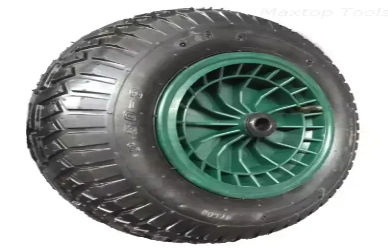
The type of wheel you choose significantly affects its weight capacity. Pneumatic tires, filled with air, are designed for shock absorption and can typically support medium to heavy loads. However, they may not be as durable as other types in extreme conditions. Solid rubber tires are more robust and can handle higher weight capacities, making them suitable for heavy-duty tasks. Polyurethane wheels offer a balance of durability and flexibility, often providing moderate weight-bearing capabilities, with the added benefit of puncture resistance.
2.Material Strength
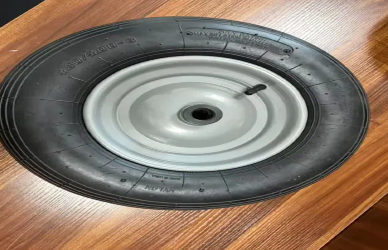
The materials used in the construction of the wheel directly influence its weight capacity. Rubber wheels are flexible and provide a comfortable ride, but their load-bearing capacity is limited compared to more rigid materials. Polyurethane wheels are stronger and more durable, offering better support for heavier loads. Metal rims or reinforcements in certain wheel types can further increase the wheel's strength, enabling it to carry even more weight without compromising performance.
3.Design and Size
Larger wheels generally have a higher weight capacity due to the way weight is distributed over a larger surface area. Bigger wheels, often found on heavy-duty wheelbarrows, help to distribute the load more evenly, reducing strain on the wheel and axle. Additionally, the design of the wheel—such as its tread pattern or thickness—also affects its ability to handle weight. Wheels designed for construction or industrial use are typically larger and reinforced to support heavier loads, ensuring long-term durability.
Typical Weight Capacities for Different Wheel Types
The weight capacity of a wheelbarrow wheel depends on the type of wheel, as each type is designed with different strengths to meet specific needs. Below are the typical weight capacities for various wheel types:
1.Pneumatic Tires
Pneumatic tires, also known as air-filled tires, are designed to offer superior shock absorption and comfort, making them ideal for use on uneven or rough terrain. These tires typically support 300-600 pounds, depending on their size and design. The ability to absorb shocks helps in transporting heavy loads over bumpy or irregular surfaces. However, they are more prone to punctures and require regular maintenance, such as air pressure checks, to maintain optimal performance.
2.Solid Rubber Tires
Solid rubber tires are known for their durability and ability to carry heavy loads. These tires typically support 500-800 pounds, offering strength and resilience, especially in heavy-duty applications. Solid rubber tires do not require air and are highly resistant to punctures, making them ideal for construction sites, landscaping, or any task involving rough or uneven terrain. While they provide less shock absorption compared to pneumatic tires, their durability and strength make them well-suited for heavy lifting tasks.
3.Polyurethane Wheels
Polyurethane wheels strike a balance between strength and flexibility, offering excellent performance across various surfaces. These wheels typically support 400-700 pounds, providing a solid combination of puncture resistance and long-lasting durability. Polyurethane wheels are commonly used in environments where smooth operation and resilience are required, such as in commercial or industrial settings. They are a popular choice for users seeking a low-maintenance, yet durable, solution for both indoor and outdoor tasks.
How to Choose the Right Wheel Based on Weight
Choosing the right wheel for your wheelbarrow is crucial to ensure safe and efficient operation, particularly when it comes to handling the weight you plan to carry. The material and design of the wheel play a significant role in determining its weight capacity.
1.Consider the Wheel’s Material
Pneumatic tires are ideal for moderate loads and are perfect for navigating rough terrain. They offer excellent shock absorption but are best suited for weights in the 300-600-pound range. They work well for lighter to medium-duty tasks, especially where comfort and smoothness are a priority.
Solid rubber tires are more durable and support heavier loads, typically in the 500-800-pound range. These tires are excellent for heavy-duty applications, like construction or landscaping, where the wheelbarrow will carry substantial weight over rough terrain.
Polyurethane wheels offer a balance of durability and smoothness, supporting 400-700 pounds. They are great for both indoor and outdoor use and are ideal for applications where puncture resistance and long-term performance are required.
2.Consider the Wheel’s Design
The design of the wheel can also affect its weight-bearing capacity. Larger wheels tend to distribute the load more evenly, making it easier to carry heavy loads without putting undue stress on the wheel or axle. Wheels with a reinforced rim or thicker treads will also offer increased support for heavier weights.
3.Choosing Based on Load
For lighter, occasional use on smooth surfaces, a pneumatic tire may be enough.
For heavier, consistent use or rougher terrains, solid rubber tires or polyurethane wheels are more suitable.
By considering both the material and design of the wheel in relation to the weight you plan to carry, you can choose a wheel that ensures your wheelbarrow operates safely and efficiently, while preventing damage to the wheel or the frame.
Maintaining Wheelbarrow Wheels for Maximum Weight Capacity
Proper maintenance is essential for ensuring that your wheelbarrow wheels continue to perform at their best and support their maximum weight capacity. Regular checks and care will help extend the life of the wheels and maintain their effectiveness, particularly when it comes to handling heavy loads.
1.Regular Inspections
Perform regular visual checks to ensure that the wheelbarrow wheels are in good condition. Look for signs of wear, such as cracks in the rubber or polyurethane, or bulges in pneumatic tires. Regularly inspecting the wheels helps you identify any potential issues early, allowing you to address them before they lead to a reduction in weight capacity or performance.
2.Maintain Tire Pressure (for Pneumatic Tires)
For pneumatic tires, maintaining the correct air pressure is crucial. Under-inflated tires can lead to excessive wear and reduce the tire’s ability to handle heavy loads. Over-inflated tires can cause a rough ride and increase the risk of a blowout. Check tire pressure regularly and inflate them according to the manufacturer’s specifications.
3.Clean and Lubricate the Axle
Dirt, debris, and rust can accumulate around the wheel axle, hindering smooth movement and causing unnecessary strain on the wheel. Clean the axle regularly and apply lubrication to prevent friction and corrosion. A well-lubricated axle ensures that the wheel moves freely, preserving its weight-bearing capacity.
4.Check for Obstructions or Damage
Occasionally check the wheel for any debris lodged in the tread or axle area. Removing any obstructions ensures that the wheel rotates properly and can carry the intended load without strain. Also, check for any damage to the rim, spokes, or the wheel structure that might affect its ability to carry weight safely.
5.Proper Storage
When not in use, store your wheelbarrow in a dry, sheltered place. Exposure to extreme temperatures, moisture, or direct sunlight can degrade the materials of the wheel, particularly rubber and polyurethane. Proper storage helps protect the wheels from premature damage, ensuring they retain their strength over time.
FAQ (Frequently Asked Questions)
1. How do I determine the weight capacity of my wheelbarrow wheel?
Check the manufacturer’s specifications in the user manual or on the product label. The weight capacity depends on the wheel type (pneumatic, solid rubber, or polyurethane) and material.
2. Can I increase the weight capacity of my wheelbarrow wheel?
You cannot directly increase the weight capacity of the existing wheel, but you can upgrade to a higher-capacity wheel with stronger materials or a larger size for better load-bearing.
3. Are there ways to modify my wheelbarrow to handle more weight?
Yes, upgrading to higher-capacity wheels or reinforcing the frame and axle can help handle heavier loads more effectively.
4. What happens if I overload my wheelbarrow wheel?
Overloading can damage the wheel, cause instability, and lead to flat tires, punctures, or premature wear. It also increases the risk of tipping over.
5. Can I use a pneumatic tire for heavy-duty tasks?
Pneumatic tires are suitable for moderate to heavy-duty tasks, offering shock absorption, but for extreme loads, solid rubber tires or polyurethane wheels are more durable and reliable.
Conclusion
Choosing the right wheel for your wheelbarrow is essential to ensure safe, efficient, and long-lasting performance. Understanding factors like wheel type, material, and design will help you select a wheel that can handle the weight you need to carry. Whether you opt for pneumatic tires for shock absorption, solid rubber tires for durability, or polyurethane wheels for puncture resistance, it’s important to match the wheel to your specific tasks. Proper maintenance, such as regular inspections and care, will keep your wheels in good condition and ensure they continue to support their maximum weight capacity. By considering these factors and maintaining your wheelbarrow properly, you can increase the lifespan of your equipment and improve its performance on heavy-duty tasks.
 注: 建议图片大小150px*50px


