

Views: 0 Author: Site Editor Publish Time: 2026-04-29 Origin: Site


A flat tire, a shaky tray, or rough rolling under load usually means the wheelbarrow wheel is no longer doing its job. The good news is that many users do not need to replace the whole barrow. In many cases, changing the wheel is enough to bring the tool back to stable, efficient use. At Maxtop, replacement wheels are part of practical daily work, because a good barrow body can keep serving well when the right new wheel is fitted correctly.
The first signs are usually easy to see. A tire may not hold air, the tread may be worn smooth, or the rubber may show cracking after long use or outdoor storage. Once that happens, the wheel loses grip and the barrow becomes harder to push, especially on soil, gravel, or uneven ground.
A worn wheel also affects the way the load feels. Even if the tray and frame are still in good condition, a damaged tire can make the whole tool feel heavier and less stable. For daily users, replacing the wheel early is usually better than waiting for a complete failure during work.
Not every wheel problem appears on the tire surface. Sometimes the wheel wobbles from side to side, makes noise when rolling, or feels rough even on a smooth surface. These signs can point to hub wear, loose bearings, or axle fit issues.
This is important because some users order a new tire size without checking the parts around it. If the hub length or bearing opening does not match the original setup, the wheel may not fit properly even when the outside diameter looks correct. A smooth replacement starts with checking more than one measurement.
The easiest place to start is the sidewall of the old tire. Many wheelbarrow wheels have a printed size such as 4.80/4.00-8 or 4.00-8. This gives a quick reference for the replacement size and helps avoid ordering something completely unsuitable.
If the sidewall marking is still readable, take note of it before removing the wheel. If it is worn away, then measuring becomes even more important. Buyers should never rely only on appearance, because two wheels can look similar while fitting very differently on the axle.
The outside size is only one part of correct replacement. Wheel diameter affects height and rolling behavior, but hub length affects how the wheel sits between the brackets. Bearing size affects whether the wheel actually fits the axle. If one of these points is wrong, the new wheel may rub, wobble, or fail to spin freely.
That is why careful measuring saves time. It prevents returns, avoids installation trouble, and helps the user get back to work faster. For distributors and bulk buyers, correct size checking also reduces after-sales problems and improves customer satisfaction.
What to check |
Where to find it |
Why it matters |
Tire size |
Sidewall marking |
Confirms the basic replacement size |
Wheel diameter |
Outside of the wheel |
Affects height and ground clearance |
Hub length |
Center hub from end to end |
Affects side play on the axle |
Bearing size |
Inner hole of the bearing |
Confirms axle fit |
Tire type |
Sidewall or current setup |
Helps choose pneumatic or solid |
Changing a wheelbarrow wheel is usually a simple job if the hardware is in reasonable condition. In most cases, a spanner or socket set, work gloves, and a flat stable surface are enough. A cloth can also be useful for wiping dirt away from the axle area before fitting the new wheel.
Keeping the process simple matters. A clean work area and the right hand tools help avoid rushed fitting and reduce the chance of losing washers, spacers, or small fasteners during removal.
Older wheelbarrows may need a bit more effort. Rusted nuts, dirt buildup, or long exposure to weather can make the parts difficult to loosen. In these cases, a little lubricant or rust remover can save time. If the hardware is badly seized, more force or cutting tools may be needed, though users should work carefully to avoid damaging the frame.
This is one reason replacement planning matters for commercial users. A spare wheel and basic service tools can reduce downtime and keep the product in use instead of leaving it aside during busy periods.
Begin by placing the wheelbarrow on a flat surface and turning it over so the wheel is easy to access. Make sure the frame sits securely before loosening anything. The goal is to keep the barrow stable while working, especially if the frame is heavy or the handles shift easily.
This step sounds simple, but it matters. A steady position makes the next steps easier and helps prevent damage to the frame or injury to the user.
Once the wheel is exposed, remove the fasteners holding the axle in place. Depending on the design, this may involve nuts, washers, locking pins, or bracket bolts. Keep the parts in order as they come off so they can be reused if needed.
After the hardware is removed, slide the axle out carefully and lift away the old wheel. If the wheel sticks because of rust or debris, clean the area before forcing it. Rushing this part can damage the bracket or make reassembly harder than it needs to be.
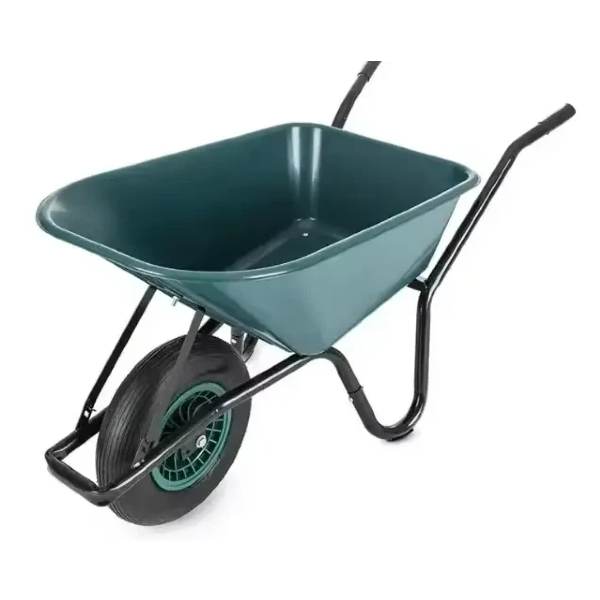
Before tightening anything, place the new wheel into position and check that the hub lines up correctly between the brackets. If the original setup used spacers or washers, return them in the correct order. Missing or misplaced spacers often cause side movement and uneven rolling.
A good fit should look centered and feel natural before full tightening begins. This is the stage where careful alignment prevents later problems.
Once the wheel is seated properly, refit the axle and tighten the nuts or bolts. The key point here is that secure does not mean over-tight. The wheel should be held firmly, but it still needs to spin freely without binding.
If the wheel stops too quickly or feels stiff, loosen the hardware slightly and test again. The goal is a stable fit with smooth rotation. This small adjustment makes a big difference in real use.
After installation, roll the wheelbarrow a short distance before loading it. Check for wobble, rubbing, noise, or drag. A quick test now is better than finding a problem once the tray is full of gravel or soil.
This final check confirms that the wheel size, alignment, and tightening are all working together as they should.
A pneumatic wheelbarrow wheel is a strong option for rough ground and uneven surfaces. Because it contains air, it offers better shock absorption and a softer rolling feel. This can make garden paths, gravel areas, and mixed outdoor surfaces easier to handle.
For users moving loads across variable terrain, pneumatic wheels often improve comfort and control. They are especially useful when the work area is not perfectly smooth.
Solid PU and solid rubber wheels appeal to users who want lower maintenance. They do not go flat, resist punctures, and provide dependable daily use where thorns, scrap, or rough debris may damage an air-filled tire.
These wheels are often attractive for warehouses, construction yards, and routine commercial work where reliability matters more than soft cushioning. For many buyers, the biggest benefit is reduced interruption. The tool stays ready for use without needing regular inflation checks.
The best wheel type depends on where and how the barrow is used. Rough outdoor ground often favors pneumatic comfort. Heavy repeated work and puncture risk often favor solid options. General garden work may need a balance between comfort, durability, and easy maintenance.
This is why product range matters. Maxtop offers polyurethane wheels, pneumatic tires with inner tubes, solid PU wheels, and solid rubber tyres so buyers can match the replacement wheel to the job rather than settling for one fixed option.
Once the new wheel is installed, a little care helps it last longer. Pneumatic tires should be checked for proper inflation, especially before heavy use. Dirt and mud should be cleaned away from the axle area after messy jobs. Storage also matters, because long exposure to sun and rain can shorten service life.
These are small habits, but they help keep rolling smooth and reduce unexpected replacement needs.
For frequent users, keeping a spare wheel ready can be a practical decision. A flat or worn wheel often stops work at the worst moment, especially during busy seasonal jobs or jobsite use. Having a replacement ready means the tool can return to service quickly.
This is where Maxtop’s replacement wheel range becomes useful not only for repairs, but also for planning. Buyers who serve garden, hardware, or construction markets often benefit from offering complete replacement choices instead of only complete barrows.
Changing a wheelbarrow wheel is usually a straightforward job when the size is checked properly and the installation steps are done in the right order. The real key is not only removal and fitting, but also matching the replacement type to the work surface, load, and daily use level. A good wheelbarrow wheel can restore smoother rolling, better balance, and safer handling without replacing the full tool. Maxtop supports that practical need with multiple replacement options, from pneumatic comfort to durable solid designs, including the solid PU wheel for buyers who want dependable low-maintenance performance. If you need help choosing the right replacement option for your market, contact us today.
Common signs include a flat tire, cracked rubber, worn tread, wobbling, noisy rolling, or a wheel that no longer moves smoothly under load.
Yes. In many cases, the tray and frame are still usable, and changing the wheel is enough to restore normal handling and extend product life.
Check the tire size, wheel diameter, hub length, bearing size, and wheel type. These measurements help confirm proper fit and smooth rotation.
It depends on the job. Pneumatic wheels are better for comfort on rough ground, while solid wheels are better for puncture resistance and low-maintenance daily use.


 注: 建议图片大小150px*50px


