Introduction
Nothing halts a productive Sunday in the garden faster than a flat wheelbarrow tire. You have the mulch ready, the sun is out, but your trusty hauler is stuck in the mud. For many gardeners, tire maintenance is an afterthought until failure occurs. However, understanding how to unlock professional-grade repair and choosing the right replacements can truly revolutionize your garden routine.
This guide moves beyond temporary fixes. We will explore how a Heavy duty setup prevents future downtime and why transitioning to modern tire technologies—like Foam filled or Solid rubber options—can eliminate the "flat tire frustration" forever. By mastering these repairs and upgrades, you ensure your equipment matches your hard work. Let’s dive into the expert insights that turn a common chore into a seamless part of your outdoor maintenance.
Diagnosing Your Wheelbarrow Tire: Repair or Replace?
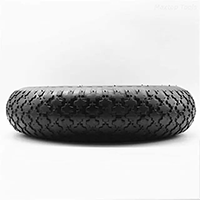
Before grabbing the toolkit, you must determine if your wheelbarrow tire is worth saving. Most standard barrows come with pneumatic (air-filled) tires. These are great for shock absorption but vulnerable to thorns, nails, and dry rot.
If you see a small puncture, a patch kit or sealant might work. However, if the sidewall shows cracks or the bead is separated from the rim, a repair is just a bandage on a bigger problem. A Large diameter tire that has lost its structural integrity becomes a safety hazard under a High load capacity task. Experts suggest that if a tire is over five years old and showing "dry rot" (tiny spiderweb cracks), it is time to revolutionize your routine by upgrading to a Weather resistant model.
When to Patch
Small punctures from thorns or wire.
The rim is in perfect condition without rust.
The rubber remains flexible and dark in color.
When to Upgrade
Sidewall bulging or deep cracks.
Frequent flats (more than twice a season).
The need for a Solid rubber solution to handle rocky terrain.
Step-by-Step Guide to Professional Puncture Repair
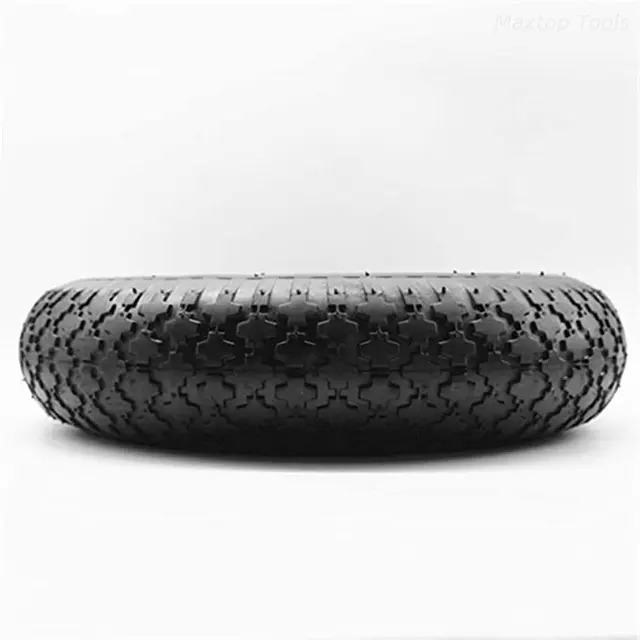
Unlocking a successful repair requires the right technique. Most people fail because they don't clean the puncture site properly. To start, remove the wheelbarrow tire from the frame. This usually involves loosening two bolts on the axle.
Once the wheel is free, use soapy water to find the leak. Bubbles will reveal the culprit. If it is a pneumatic tire, you may need to use tire spoons to pry the rubber edge off the rim to reach the inner tube. Clean the area around the hole with sandpaper; this creates a "key" for the adhesive to bond. Apply the vulcanizing fluid, wait for it to get tacky, and press the patch firmly. This simple skill saves money and keeps your Heavy duty projects moving.
Revolutionize Maintenance with Foam Filled Solutions
If you are tired of checking air pressure every spring, it is time to look at Foam filled technology. This is the ultimate "set it and forget it" upgrade for any wheelbarrow tire. These tires look and feel like air-filled ones, providing a similar bounce and cushion, but the inside is packed with a specialized polyurethane foam.
They are essentially puncture-proof. You can roll over rose bush clippings, stray nails, or sharp gravel without a second thought. For a gardener, this means your routine is never interrupted. While they are slightly heavier than air tires, their High load capacity makes them perfect for hauling stones or wet soil. They don't go soft over winter, meaning your wheelbarrow is always ready the moment you are.
Advantages of Foam Filling
No Maintenance: Zero air pressure checks required.
Puncture Proof: Impossible to go flat.
Consistency: Maintains its shape even under heavy weight.
Why Solid Rubber Tires Are a Game Changer for Heavy Duty Tasks
For those dealing with the most extreme environments, a Solid rubber wheelbarrow tire is the gold standard. Unlike foam-filled tires which still have a thin rubber skin, these are solid pieces of high-density material throughout.
These are designed for High load capacity work. If you are moving concrete blocks or heavy logs, a Solid rubber tire won't compress or "flat spot" under the weight. They are also incredibly Weather resistant. Extreme heat or freezing temperatures won't affect their performance. If your garden routine involves rugged terrain and heavy lifting, this upgrade is the most effective way to revolutionize your efficiency.
Maximizing Efficiency with Large Diameter and High Load Capacity
Size matters when it comes to garden stability. A Large diameter wheelbarrow tire (typically 16 inches or more) changes the physics of your haul. Larger wheels roll over obstacles—like tree roots or curbs—much easier than smaller ones. They provide better clearance and reduce the amount of force you need to push.
Understanding Load Capacity
Every wheelbarrow tire has a weight rating. A standard tire might handle 300 lbs, but a Heavy duty version can often manage 500 lbs or more. Exceeding this limit causes the rubber to deform and makes the barrow difficult to balance. By choosing a tire with a High load capacity, you ensure that even the heaviest bags of soil feel lighter.
Weather Resistant Features: Protecting Your Investment
Your wheelbarrow spends a lot of time outdoors. UV rays from the sun are the number one enemy of rubber. They break down the chemical bonds, leading to brittleness. A Weather resistant wheelbarrow tire is treated with antioxidants and UV stabilizers during the manufacturing process.
Storage Tips for Longevity
Even with a Weather resistant coating, you can extend the life of your tire by following these steps:
Store Upside Down: This prevents water from pooling in the rim and causing rust.
Avoid Direct Sunlight: If possible, keep the barrow in a shed or under a porch.
Clean After Use: Mud can hold moisture against the rim, leading to corrosion over time.
By taking these small steps, you ensure your Heavy duty hardware remains in peak condition for years.
The Impact of Tire Choice on Your Physical Health
Gardening is a workout. A poorly maintained or under-inflated wheelbarrow tire increases the strain on your back, shoulders, and legs. When a tire is soft, it has a larger "contact patch" with the ground, creating more friction. You have to work twice as hard to move the same amount of dirt.
Ergonomics and Smooth Rolling
Switching to a Solid rubber or properly inflated Heavy duty tire reduces rolling resistance. It allows the barrow to glide. This is especially important for older gardeners or those with joint pain. Revolutionizing your routine isn't just about the tools; it's about making the work sustainable for your body. A Large diameter wheel helps maintain a better center of gravity, reducing the risk of the wheelbarrow tipping over and causing injury.
Customizing Your Setup for Specific Garden Terrains
Not every garden is a flat lawn. If you work on hills, sand, or through thick brush, your wheelbarrow tire needs to match the challenge.
Deep Tread for Traction
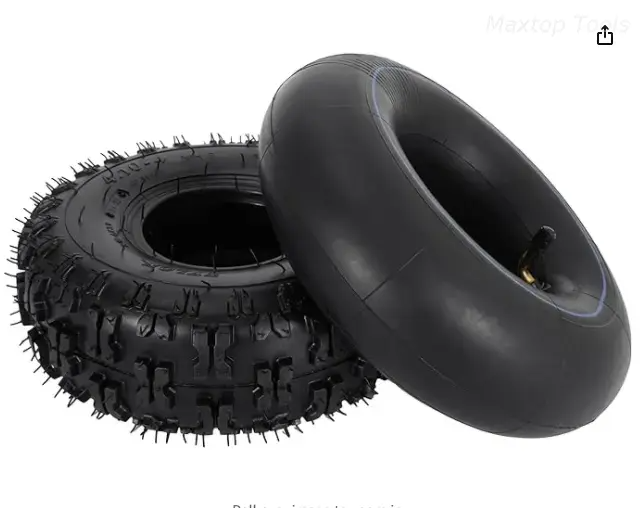
For muddy or sloped gardens, look for tires with "knobby" or deep lug treads. These bite into the soil, giving you the traction needed to push uphill. On the flip side, if you are mostly on manicured grass, a smoother rib-tread tire prevents you from tearing up the turf.
Choosing the Rim
Don't forget the wheel itself. A rust-resistant plastic rim is great for wet environments, while a powder-coated steel rim offers the maximum High load capacity for construction-grade garden work. Match your rim and tire to your specific routine to truly unlock the potential of your tools.
Conclusion
Unlocking the secrets of wheelbarrow tire repair and selection is the fastest way to improve your gardening experience. Whether you choose to master the art of the puncture patch or decide to upgrade to a Foam filled, Solid rubber, or Heavy duty alternative, the result is the same: less downtime and more progress. By investing in Weather resistant and High load capacity wheels, you protect your body and your budget. Don't let a flat tire hold your landscape back—revolutionize your routine today.
FAQ
1. How often should I check the pressure in my pneumatic wheelbarrow tire?
You should check it at the start of every season and once a month during heavy use. Even a small drop in pressure makes the barrow much harder to push.
2. Can I replace an air-filled tire with a Solid rubber one on the same rim?
Usually, yes. Most Solid rubber tires are sold as a complete "wheel assembly" (tire + rim + bearings) because it is often easier and cheaper than trying to mount a solid tire on an old, potentially rusty rim.
3. Are Foam filled tires heavier than air tires?
Yes, they are slightly heavier because the density of the foam is higher than air. However, the trade-off in reliability and the fact that they never go "soft" usually makes them feel easier to use in the long run.
4. What is the standard size for a wheelbarrow tire?
The most common size is a Large diameter 16-inch tire (often labeled as 4.80/4.00-8). Always check your current tire's sidewall for the specific numbers before buying a replacement.
About Our Industry Strength and Professional Solutions
As a leading manufacturer in the tool and hardware industry, we operate a massive, specialized factory dedicated to producing high-performance wheels and garden equipment. Our strength lies in our rigorous quality control and our ability to innovate within the B2B sector. We don't just make tires; we engineer solutions. From Solid rubber wheels designed for industrial sites to Weather resistant components for global distributors, our factory utilizes the latest technology to ensure every product meets a High load capacity standard.
We understand the demands of professional landscapers and large-scale retailers. Our B2B services provide customized manufacturing, ensuring that our partners receive Heavy duty equipment that stands up to the toughest environments. With years of experience and a commitment to durability, we are proud to be the backbone of garden maintenance routines across the globe.
 注: 建议图片大小150px*50px


