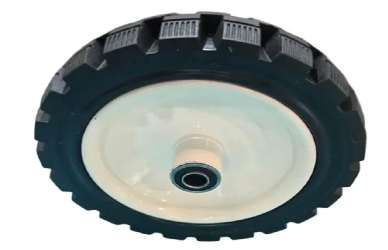
When choosing a wheelbarrow, one of the most important decisions is selecting the right type of wheel. The two most common wheel types are solid and pneumatic. Each has distinct characteristics that influence their performance, comfort, and durability. Solid wheels are made from durable materials like rubber or polyurethane, offering excellent resistance to punctures and minimal maintenance but providing a rougher ride on uneven terrain. Pneumatic wheels, on the other hand, are air-filled and offer superior shock absorption, making them ideal for navigating bumpy or rough surfaces, but they do require regular maintenance and are more prone to punctures. Understanding the differences between these two wheel types is crucial for selecting the right wheelbarrow for your specific needs, whether you're looking for durability, comfort, or ease of use.
Solid Wheelbarrow Wheels
1.Description
Solid wheelbarrow wheels are made from durable materials like rubber or polyurethane, providing a sturdy, flat surface that requires no inflation. These wheels are designed to handle heavy-duty tasks and offer a long-lasting solution with minimal upkeep. They are ideal for users who need a reliable, no-maintenance option for navigating tough, uneven terrain.
2.Advantages
Puncture-Proof and Maintenance-Free: One of the key benefits of solid wheels is their puncture-proof nature. There’s no need to worry about flats or air loss, making them incredibly convenient for tasks in areas with rough surfaces or sharp objects.
Better for Heavy-Duty Use and Rough Surfaces: Solid wheels are designed to handle heavy loads and are perfect for construction, landscaping, or any job that requires strength and durability. Their robust build ensures they perform well on rough or uneven ground.
Long-Lasting Durability: Made from tough materials like polyurethane or rubber, these wheels can withstand continuous use, offering long-lasting durability that makes them a cost-effective choice in the long run.
3.Disadvantages
Less Shock Absorption: Unlike pneumatic tires, solid wheels don’t have air to cushion the impact, which means they offer less shock absorption. This can lead to a rougher ride, especially on bumpy or uneven terrain.
Rougher Ride on Uneven Terrain: Due to their rigid construction, solid wheels may not provide as smooth or comfortable a ride as pneumatic wheels. This makes pushing a wheelbarrow with solid wheels more challenging on rough or uneven surfaces.
Solid wheelbarrow wheels are ideal for users looking for durability and low-maintenance performance, particularly in heavy-duty applications. However, those who prioritize comfort and a smooth ride on rough ground might find pneumatic wheels to be a better fit.
Pneumatic Wheelbarrow Wheels
1.Description
Pneumatic wheelbarrow wheels are air-filled, providing superior shock absorption for smoother movement on rough or uneven surfaces. These wheels are ideal for navigating bumpy terrain, as the air within the tire cushions the load and absorbs impact, offering a more comfortable and controlled ride. They are especially useful for users who need to move a wheelbarrow over challenging surfaces like gravel, dirt, or uneven ground.
2.Advantages
Excellent Shock Absorption for Smooth Movement on Rough Terrain: The air-filled nature of pneumatic wheels allows them to absorb the shocks and bumps of rough terrain. This makes them particularly suited for bumpy, uneven surfaces, ensuring a smoother, less jarring ride compared to solid wheels.
More Comfortable Ride: Thanks to their shock-absorbing design, pneumatic wheels provide a comfortable ride, reducing the strain on the user. This is especially beneficial for tasks that require frequent maneuvering on rough ground or for extended periods.
Easier to Maneuver Under Load: Pneumatic wheels, with their flexibility and cushioning properties, make it easier to maneuver the wheelbarrow, even when carrying heavy loads. The added comfort and control make pushing the wheelbarrow less strenuous on uneven surfaces.
3.Disadvantages
Risk of Punctures and Flats: Pneumatic tires are vulnerable to punctures, especially on rough surfaces with sharp objects or debris. A flat tire can interrupt your work, requiring time to fix or replace the tire.
Requires Maintenance (Air Pressure Checks): Unlike solid wheels, pneumatic tires require regular air pressure checks. Maintaining the proper pressure is essential for optimal performance. Low pressure can lead to decreased efficiency, while over-inflation can result in a rougher ride or increased wear.
Pneumatic wheelbarrow wheels are ideal for users who prioritize comfort, shock absorption, and smoother movement over rough or uneven terrain. However, they require more maintenance than solid wheels and carry the risk of punctures.
Comparison Table: Solid vs Pneumatic Wheelbarrow Wheels
Feature | Solid Wheelbarrow Wheels | Pneumatic Wheelbarrow Wheels |
Shock Absorption | Low (rougher ride) | High (smooth ride over uneven surfaces) |
Maintenance | No maintenance required | Requires air pressure checks |
Puncture Resistance | Puncture-proof | Prone to punctures and flats |
Durability | Highly durable and long-lasting | May wear out faster due to punctures |
Load Handling | Good for heavy-duty use | Better maneuverability under heavy loads |
Comfort | Less comfortable on uneven terrain | Comfortable ride, especially on rough ground |
This table provides a clear comparison of the solid and pneumatic wheelbarrow wheels, highlighting their respective strengths and weaknesses.
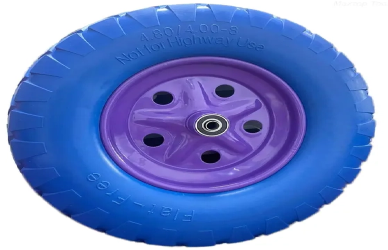
How to Choose Between Solid and Pneumatic Wheels
Selecting the right type of wheel for your wheelbarrow is essential for optimizing performance, ensuring comfort, and meeting your specific task requirements. Here are the key factors you should consider when deciding between solid and pneumatic wheels:
1. What Tasks Will You Be Using Your Wheelbarrow For?
Heavy-Duty Tasks: If you need a wheelbarrow for construction, landscaping, or any job that requires carrying heavy loads or moving bulky materials, solid wheels are the best option. They are designed for high durability, can withstand constant wear, and do not require air pressure maintenance. Solid wheels are ideal when you need a reliable, low-maintenance solution that can handle tough work environments.
Light to Moderate Tasks: For general gardening or light-duty tasks, pneumatic wheels can be a great option. They offer smooth maneuverability and can handle lighter loads more comfortably. If comfort and ease of movement are more important than sheer durability, pneumatic tires are ideal for situations where you’re primarily pushing the wheelbarrow over smoother surfaces or grass.
2. Is Comfort or Durability More Important?
Durability: If you’re looking for a tough, maintenance-free solution, solid wheels are the best choice. Solid wheels are virtually puncture-proof, meaning you don’t have to worry about flats, and they’ll withstand prolonged exposure to harsh conditions and heavy usage. They’re built to last for long-term, demanding tasks without the hassle of air pressure adjustments.
Comfort: If your primary concern is a smoother, more comfortable ride, especially when navigating rough or uneven terrain, pneumatic wheels are a clear winner. The shock-absorbing air-filled structure of pneumatic tires offers a much more comfortable and stable ride, reducing strain when moving the wheelbarrow over bumpy or uneven surfaces like gravel, dirt, or even soft ground.
3. What Kind of Terrain Will You Be Navigating?
Rough and Uneven Terrain: If you’ll be using your wheelbarrow on rocky paths, gravel, or construction sites, solid wheels are ideal. They can handle tough surfaces without risk of flats and are less likely to be damaged by rough obstacles. However, while they’re great for durability, they offer a rougher ride and less shock absorption compared to pneumatic wheels.
Softer or Bumpy Terrain: If your wheelbarrow will be used primarily in gardens, yards, or paved surfaces, where you encounter soft ground or bumpy paths, pneumatic wheels are the better choice. They provide superior shock absorption, ensuring a much smoother, more comfortable ride. This makes pushing the wheelbarrow over uneven terrain much easier and more efficient.
FAQ (Frequently Asked Questions)
1.Can solid wheels handle heavy loads better than pneumatic wheels?
Solid wheels are excellent for heavy-duty tasks due to their durability, but pneumatic wheels can support heavy loads while providing a smoother ride.
2.Are pneumatic tires harder to maintain than solid wheels?
Yes, pneumatic tires require regular maintenance, such as air pressure checks and repairs for punctures, whereas solid wheels are virtually maintenance-free.
3.Can I use pneumatic wheels on all terrains?
Pneumatic wheels perform best on uneven or rough terrains due to their shock absorption properties, but they are more vulnerable to punctures.
4.Which type of wheel lasts longer, solid or pneumatic?
Solid wheels tend to last longer because they are made of durable materials and are not susceptible to punctures, unlike pneumatic wheels which may wear out faster.
Conclusion
In summary, solid and pneumatic wheelbarrow wheels each have distinct advantages and are suited for different needs. Solid wheels are ideal for heavy-duty tasks, rough terrains, and low-maintenance applications. They offer puncture resistance and durability, making them perfect for construction sites, landscaping, or any situation requiring minimal upkeep. However, they provide a rougher ride and less shock absorption, making them less comfortable for uneven surfaces.
On the other hand, pneumatic wheels are designed for comfort and shock absorption, excelling on bumpy or uneven terrain. They are better suited for lighter tasks or when you need to navigate rough ground with ease, offering a smoother ride. While they provide better maneuverability and comfort, they do require regular maintenance, including air pressure checks and the risk of punctures.
Ultimately, your choice will depend on your specific needs: choose solid wheels for durability and minimal maintenance in heavy-duty conditions, and opt for pneumatic wheels if comfort and smooth movement are your priorities.
 注: 建议图片大小150px*50px


