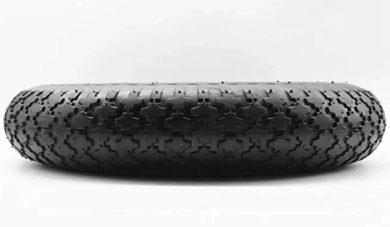
When it comes to gardening, farming, or construction, a wheelbarrow is one of the most useful tools you can own. Whether you are hauling soil, transporting tools, or moving heavy loads, the efficiency of your wheelbarrow largely depends on one crucial component: the wheelbarrow tyre. A well-maintained tyre ensures smooth movement, reduces physical strain, and makes your tasks faster and easier.
However, like all working parts, wheelbarrow tyres wear down over time. Exposure to heavy loads, rough terrains, and weather conditions can shorten their lifespan if they are not properly cared for. Fortunately, with the right maintenance practices, you can extend the life of your tyre significantly and avoid frequent replacements. In this article, we’ll guide you through practical steps to maintain your wheelbarrow tyre and keep it performing well for years.
Understanding Types of Wheelbarrow Tyres
Before diving into maintenance, it’s essential to understand the different types of wheelbarrow tyres. Each has its strengths and requires slightly different care.
Pneumatic Tyres (Air-Filled)
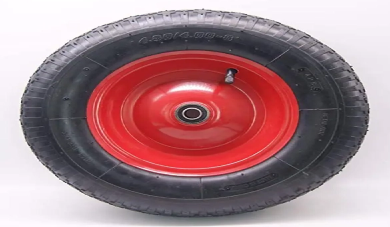
These tyres resemble bicycle tyres and are filled with air.
They provide excellent cushioning and shock absorption, making them ideal for uneven terrain.
However, they are prone to punctures and require regular air pressure checks.
Solid Tyres (Puncture-Proof)
Made of solid rubber or polyurethane foam.
They do not require air, so there’s no risk of flats.
Best for heavy-duty or construction environments where sharp debris is common.
Less cushioning than pneumatic tyres.
Semi-Solid or Foam-Filled Tyres
Knowing which type of wheelbarrow tyre you have will help you apply the right maintenance approach.
Regular Inspection and Cleaning
Routine inspection is the first step to extending the life of your wheelbarrow tyre. Developing the simple habit of checking the condition of the tyre before and after each use can save you from unexpected breakdowns and costly repairs later on. Many problems start small—like a tiny crack or a lodged stone—but grow worse if ignored.
Check for cracks or wear: Examine the tyre for visible signs of aging rubber, cuts, or uneven tread wear. Small cracks can quickly expand under heavy loads, so catching them early makes a big difference. Pay special attention to the sidewalls, as they are more vulnerable to stress and damage.
Remove debris: Pneumatic tyres, in particular, are sensitive to sharp objects. Stones, thorns, or nails can puncture or weaken the tube inside. After each use, rotate the wheel slowly and check for any lodged objects, removing them carefully before they cause lasting damage.
Clean after use: Dirt, mud, cement, or fertilizers can stick to the tyre surface and gradually degrade the rubber. If left uncleaned, these substances can also reduce traction and make the tyre slippery. Rinse the tyre with clean water, using a soft brush for stubborn grime, and allow it to dry completely before storage. This is especially important if you’ve been working in harsh environments such as construction sites or farms.
A clean and well-inspected tyre not only lasts longer but also provides better grip and stability, ensuring safer and smoother handling of your wheelbarrow.
Maintaining Correct Tyre Pressure
If you are using pneumatic tyres, proper inflation is absolutely critical to performance and longevity. Tyre pressure directly affects how your wheelbarrow handles, how much load it can safely carry, and how comfortable it is to use.
Check pressure regularly: Underinflated tyres flatten under heavy loads, which not only makes the wheelbarrow harder to push but also damages the tyre’s sidewalls and rim. Over time, this can lead to permanent deformation. On the other hand, overinflated tyres become too rigid and may burst under stress, especially when carrying heavy loads or traveling across rough terrain.
Follow manufacturer guidelines: Most wheelbarrow tyres perform best within the range of 25–35 PSI. However, the ideal pressure can vary depending on the tyre size, load capacity, and intended use. Always check your specific tyre’s recommendations, which are usually marked on the sidewall or provided by the manufacturer.
Use a reliable pump and gauge: Guesswork is not enough when it comes to tyre pressure. Invest in a hand pump with a built-in pressure gauge or a separate digital gauge to ensure accurate readings. Regular checks—at least once a month or before any heavy-duty work—help keep the tyre in top condition.
By maintaining correct tyre pressure, you reduce unnecessary wear, improve rolling efficiency, and minimize the risk of sudden flats. It also makes your work easier, as a properly inflated wheelbarrow tyre requires less effort to push and offers better stability under load.
Protecting Against Punctures
One of the most common problems with wheelbarrow tyres is punctures. While solid tyres avoid this issue entirely, pneumatic tyres need extra care:
Avoid sharp debris: Try not to roll over nails, glass, or sharp stones.
Use tyre liners or sealants: For pneumatic tyres, adding a protective liner or using sealant inside the tube helps prevent air leaks.
Store indoors: Tyres left outside are more likely to harden, crack, or become brittle, making them more vulnerable to punctures.
By being cautious and proactive, you can drastically reduce puncture risks.
Proper Storage Practices
How you store your wheelbarrow also affects the life of its tyre.
Keep it off the ground: If possible, hang your wheelbarrow on a wall hook or store it upside down to prevent tyre deformation.
Avoid direct sunlight: UV rays can cause rubber to crack and weaken. Store your wheelbarrow in a shaded, cool, and dry area.
Protect from moisture: Standing water and damp conditions can rust the rim and weaken the tyre over time.
Proper storage ensures your tyre remains flexible and durable, even during off-seasons.
Handling Heavy Loads Correctly
Wheelbarrows are designed to carry heavy loads, but overloading can shorten tyre lifespan.
Respect weight limits: Every wheelbarrow has a maximum load capacity. Exceeding this puts unnecessary stress on the tyre and rim.
Distribute loads evenly: Uneven loads cause sidewall strain, leading to premature wear.
Use on appropriate terrain: While a wheelbarrow is versatile, avoid dragging it over rocky or extremely rough surfaces unnecessarily.
By handling loads responsibly, you extend both tyre and wheelbarrow life.
When to Replace Your Wheelbarrow Tyre
Even with the best care, no tyre lasts forever. Knowing when to replace your tyre is crucial:
Deep cracks or splits in the rubber.
Constant air leaks despite repairs.
Worn-out tread that reduces grip.
Severe deformation or flat spots from long-term pressure.
Replacing the tyre promptly ensures safety and prevents further damage to your wheelbarrow.
Tips to Extend Tyre Life Further
Rotate tyres if you use multiple wheelbarrows frequently, balancing wear.
Lubricate the axle to reduce stress on the tyre.
Keep a repair kit handy for quick fixes, especially if using pneumatic tyres.
Use the wheelbarrow for its intended purpose—don’t overload it with items beyond its design.
Small preventive measures go a long way in extending the life of your wheelbarrow tyre.
Final Thoughts
Your wheelbarrow tyre may seem like a small part of your equipment, but it plays a big role in ensuring efficiency, safety, and ease of use. With proper care—regular inspections, correct inflation, safe storage, and mindful loading—you can extend its lifespan significantly. Investing a little time in maintenance saves you money and frustration in the long run.
If you are looking for reliable, durable, and high-quality wheelbarrow tyres, Qingdao Maxtop Tools Co.,Ltd. is a trusted supplier with extensive experience in producing tyres and related products. They offer a wide range of solutions suitable for gardening, construction, and industrial use. To learn more about their products and explore how they can meet your needs, you can get in touch with them for further information.
 注: 建议图片大小150px*50px


